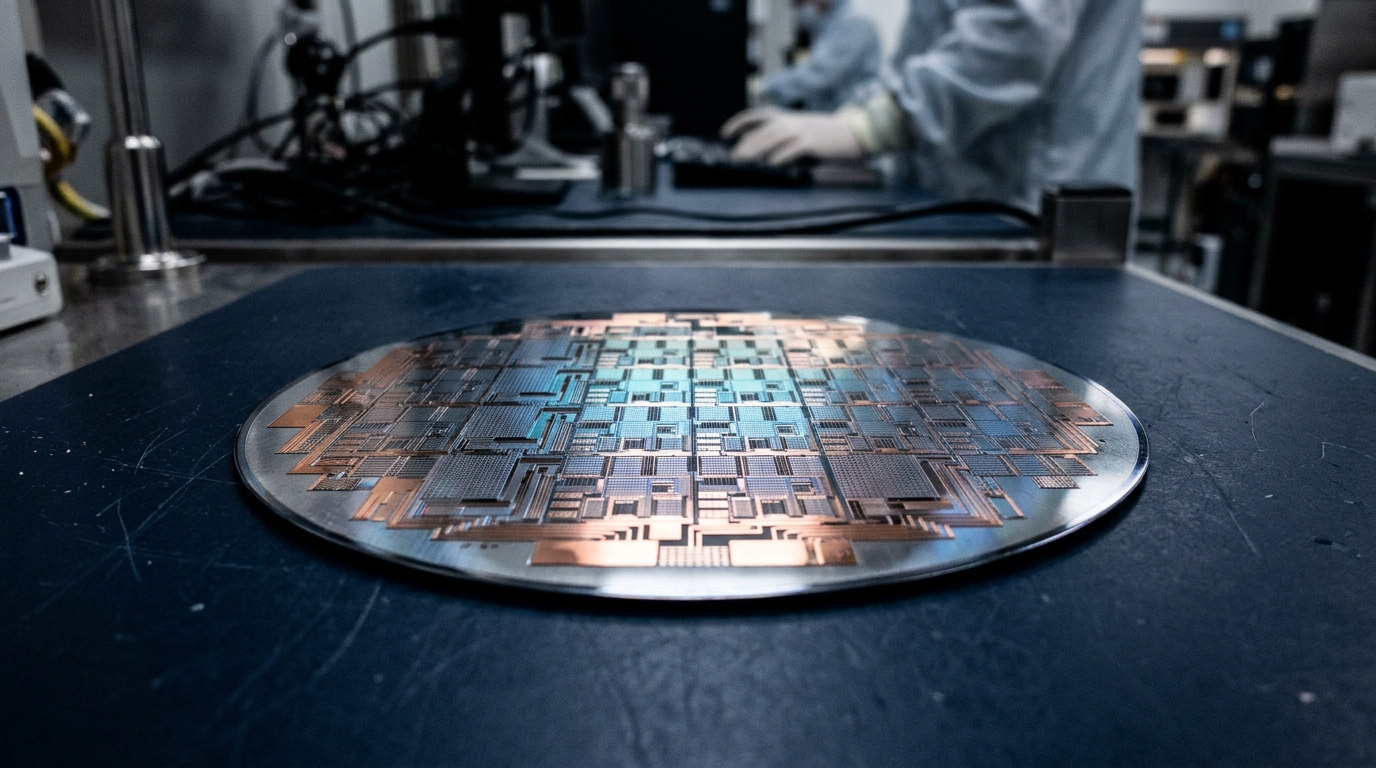
Getting Started with STM32 Microcontrollers: Architecture, Memory Map, GPIO Registers & Bare-Metal C Guide
An exhaustive bare-metal engineering guide for STM32 ARM Cortex-M microcontrollers: memory mapping, AHB/APB bus matrix, RCC clock trees, and direct GPIO register manipulation in C.

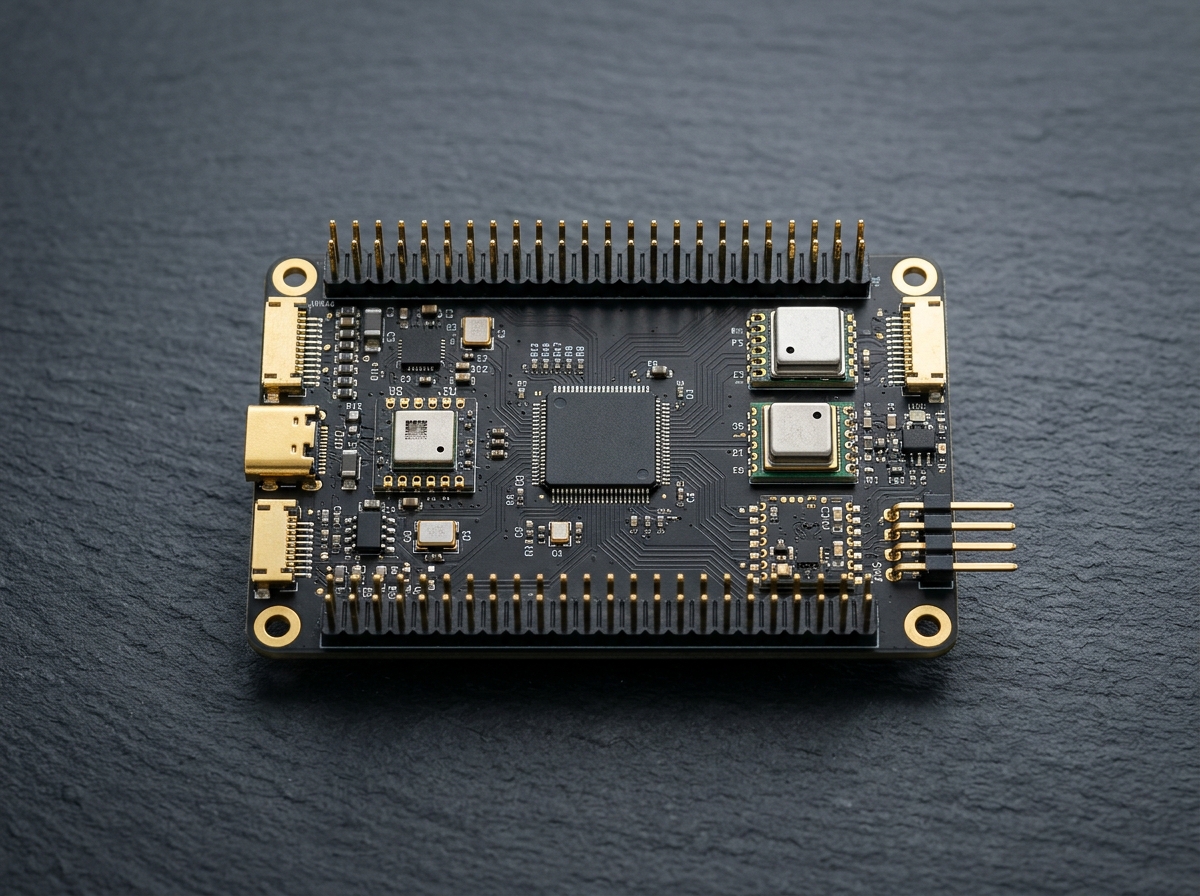
Getting Started with STM32 Microcontrollers: Architecture, Memory Map, GPIO Registers & Bare-Metal C Guide
STMicroelectronics’ STM32 family of 32-bit ARM Cortex-M microcontrollers is the undisputed industry standard for professional embedded systems, industrial robotics, automotive ECUs, and medical instrumentation.
Core Advantage: Unlike 8-bit microcontrollers, STM32 chips offer hardware floating-point units (FPU), nested vectored interrupt controllers (NVIC), multi-channel DMA engines, and advanced timer PWM systems running at up to 480 MHz.
1. STM32 Internal Architecture & Memory Mapping
All STM32 microcontrollers are built upon ARM Cortex-M processor cores (Cortex-M0+, M3, M4F, M7, and dual-core M33). The memory organization follows a unified 4 GB 32-bit linear address space:
Memory Region | Address Range | Description & Peripheral Mapping |
|---|---|---|
Flash Memory |
Technical Discussion (0)
Sign in with your EIHOUSE INDIA account to join the technical discussion.
Sign In to CommentNo comments yet. Be the first engineer to contribute to this discussion.